How to Measure ROI from AI Projects: A Practical Guide for CEOs & CTOs
Many AI projects fail to deliver measurable value. Learn how to measure AI ROI using practical KPIs, business metrics, and proven strategies for enterprise success.
AI Is Easy to Buy. Proving ROI is the Hard Part
Many organizations have already invested in AI. They have purchased AI tools, hired consultants, or launched internal AI initiatives. Yet when leadership asks a simple question:
"What business value did we actually create?"
The room often goes silent.
According to IBM's Global AI Adoption Index, AI adoption continues to grow rapidly across enterprises, but many organizations still struggle to demonstrate measurable business value because success metrics were never clearly defined from the beginning.
This is one of the biggest reasons AI budgets get reduced, projects get paused, and executives lose confidence.
The companies that successfully scale AI don't just build AI.
They measure business outcomes.
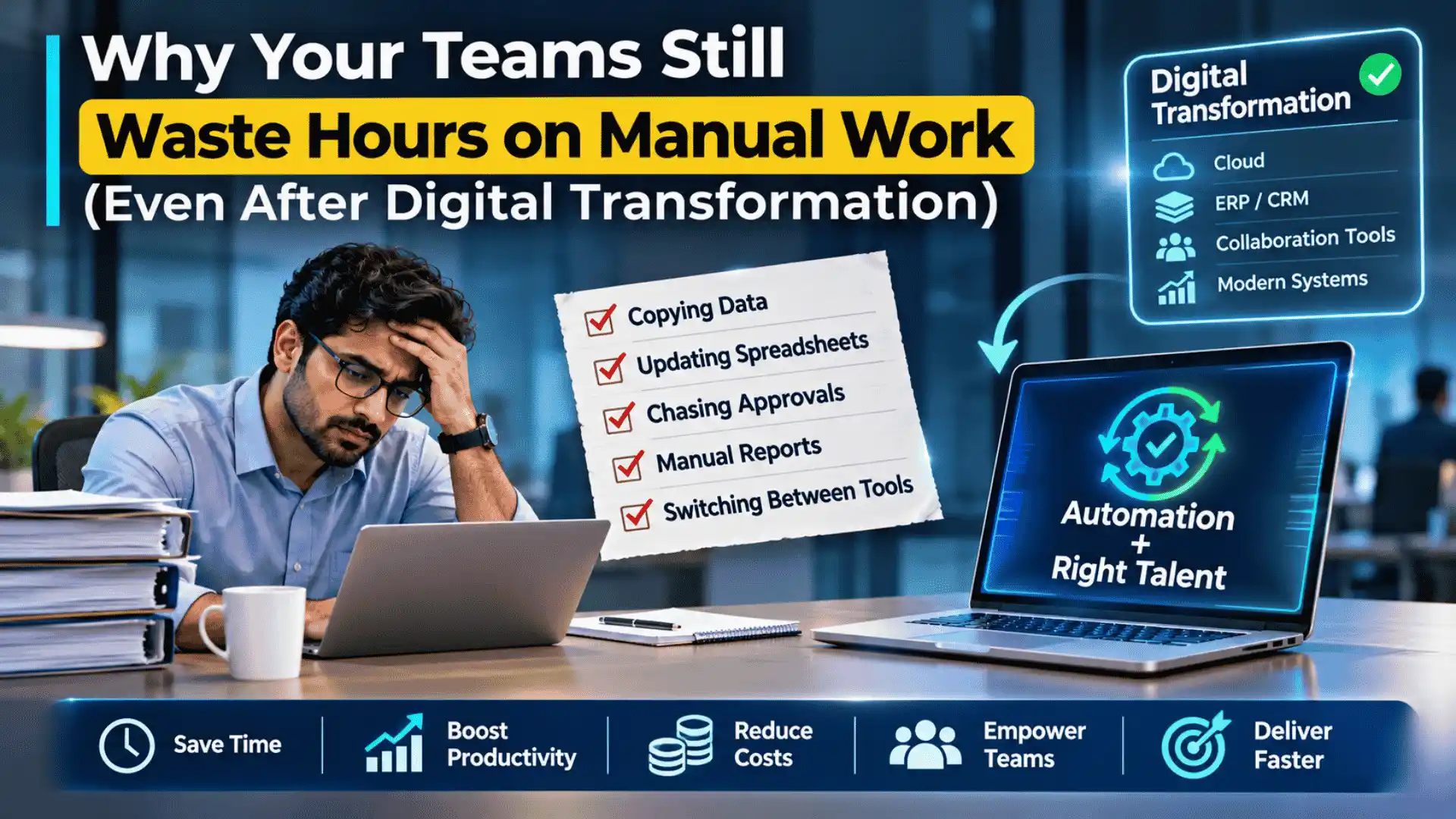
Why Measuring AI ROI is Different from Traditional Software Projects
Traditional software projects usually focus on delivering features.
AI projects focus on improving decisions, automating processes, reducing costs, or increasing revenue.
That makes ROI harder to measure unless you define success before development starts.
Instead of asking:
- Did we deploy AI?
Ask:
- Did we save time?
- Did we reduce costs?
- Did revenue increase?
- Did customers become happier?
- Did employees become more productive?
Business outcomes matter more than technical achievements.
The Formula for AI ROI
The standard ROI formula still applies.
ROI (%) =
((Financial Benefits − Total AI Investment)
/ Total AI Investment) × 100
Example:
| Investment | Value |
|---|---|
| AI Development | $180,000 |
| Infrastructure | $40,000 |
| Staff Training | $30,000 |
| Total Cost | $250,000 |
After implementation:
| Benefit | Value |
|---|---|
| Operational Savings | $220,000 |
| Increased Revenue | $180,000 |
| Total Benefits | $400,000 |
ROI:
(($400,000 - $250,000)
/ $250,000) ×100

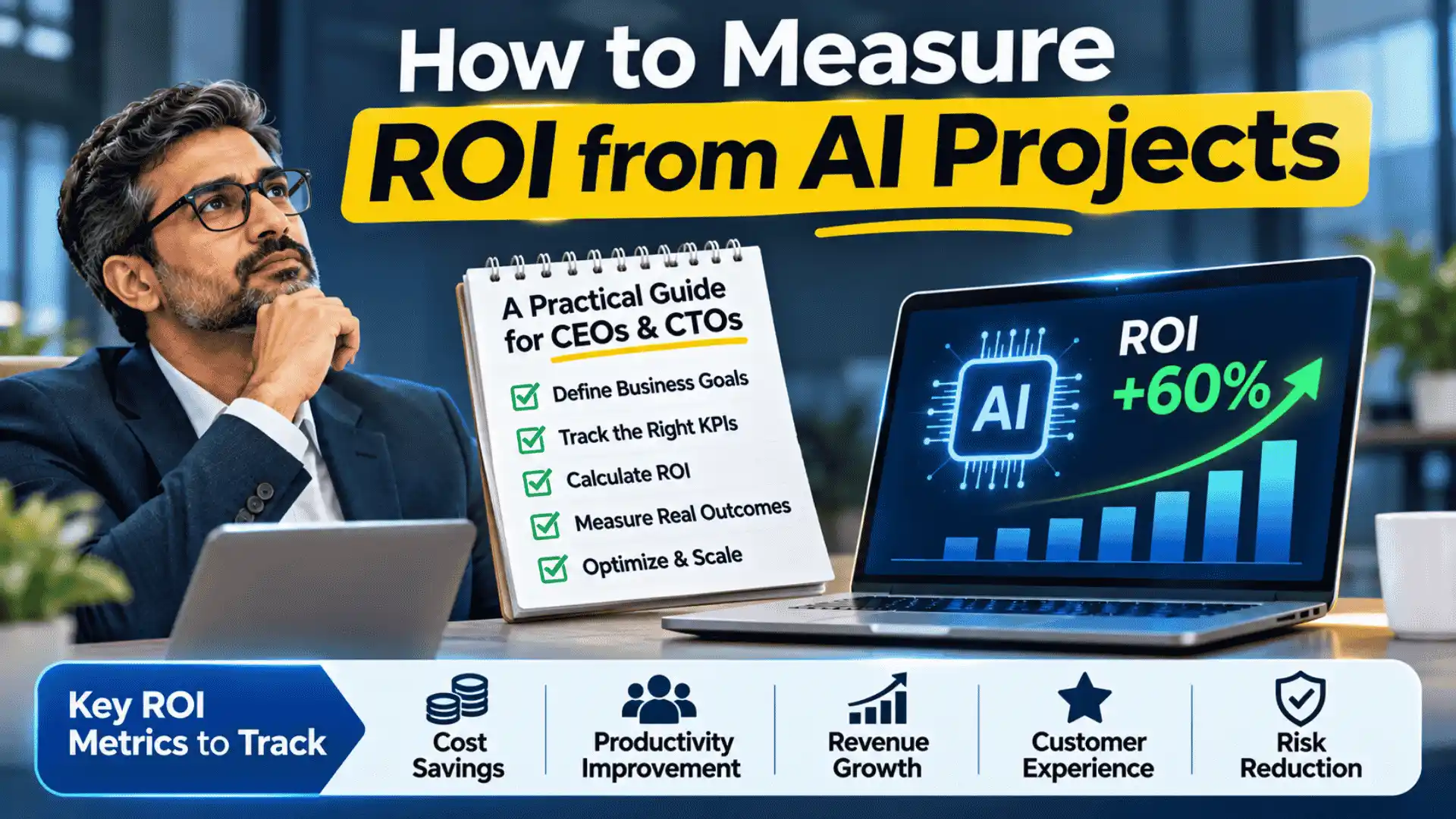
= 60%
The Five KPIs Every CEO Should Track
1. Cost Savings
One of the easiest ROI metrics.
Examples include:
- Reduced manual processing
- Lower operational expenses
- Fewer support tickets
- Reduced outsourcing costs
- Lower compliance costs
Example:
If finance teams save 1,000 employee hours every month through AI automation, those savings can be converted directly into business value.
2. Productivity Improvement
AI allows employees to spend less time on repetitive work.
Track:
- Hours saved
- Tasks completed faster
- Documents processed
- Tickets resolved
- Reports generated automatically
According to McKinsey, generative AI could automate activities that currently consume 60% to 70% of employees' working time.
3. Revenue Growth
Some AI projects directly increase revenue.
Examples include:
- Better lead qualification
- Personalized recommendations
- Higher conversion rates
- Upselling opportunities
- Faster sales cycles
Instead of measuring AI usage, measure additional revenue created because AI improved customer journeys.
4. Customer Experience
Better customer experience often leads to higher retention.
Measure:
- Customer Satisfaction Score (CSAT)
- Net Promoter Score (NPS)
- First Response Time
- Resolution Time
- Customer Retention Rate
Happy customers usually cost less to support and generate more long-term revenue.
5. Risk Reduction
Some AI projects don't generate direct revenue.
Instead, they reduce business risk.
Examples:
- Fraud detection
- Compliance monitoring
- Cybersecurity alerts
- Predictive maintenance
- Financial anomaly detection
Avoiding one major incident can often justify the entire AI investment.
AI ROI Metrics Every CXO Dashboard Should Include
| Business Goal | KPI |
|---|---|
| Reduce Costs | Cost per Transaction |
| Improve Productivity | Hours Saved |
| Increase Revenue | Revenue Growth |
| Improve Customer Service | CSAT, NPS |
| Improve Operations | Cycle Time |
| Sales Performance | Conversion Rate |
| HR Productivity | Time to Hire |
| Manufacturing | Downtime Reduction |
| Finance | Invoice Processing Time |
Common Mistakes that Destroy AI ROI
Measuring Technical Metrics Instead of Business Metrics
Executives don't care if a model has 98% accuracy.
They care if it reduces costs or increases revenue.
No Baseline
Without measuring the current process, improvements cannot be proven.
Always record:
- Current costs
- Current processing time
- Current error rate
- Current customer satisfaction
before implementing AI.
Trying to Automate Everything
The best AI projects solve one high-value business problem first.
Start small.
Measure.
Scale later.
Ignoring Employee Adoption
Even the best AI solution delivers zero ROI if employees refuse to use it.
Measure adoption rates alongside financial metrics.
How TeamBees Helps Enterprises Measure AI ROI
At TeamBees, we believe successful AI projects begin with measurable business objectives, not just technology implementation.
Our AI engineers, automation specialists, and IT staff augmentation teams help enterprises:
- Identify high-impact automation opportunities
- Define measurable KPIs before development
- Build production-ready AI solutions
- Track ROI after deployment
- Continuously optimize AI performance
Rather than delivering isolated AI prototypes, we help organizations build AI systems that create measurable business outcomes.
Questions Every CEO Should ask before Approving an AI Project
Before funding an AI initiative, ask:
- What business problem are we solving?
- How much does this problem currently cost us?
- Which KPI will improve?
- How long until ROI is achieved?
- How will success be measured?
- What happens if adoption is low?
- Can the solution scale across departments?
If these questions cannot be answered, the project probably isn't ready.
Final Thoughts
The future of AI isn't about deploying more models.
It's about creating measurable business value.
Organizations that consistently measure AI ROI gain executive confidence, secure larger budgets, and scale AI faster across the enterprise.
Before launching your next AI initiative, define success, establish measurable KPIs, and build with business outcomes in mind.
Because AI that cannot prove its value eventually becomes another expensive experiment.
FAQs
How long does it take to see ROI from AI projects?
Many automation projects begin delivering measurable operational improvements within 3 to 12 months, depending on complexity and adoption.
What is the most important AI ROI metric?
There is no single metric. Most enterprises track cost savings, productivity improvements, revenue growth, customer satisfaction, and operational efficiency together.
Why do many AI projects fail to deliver ROI?
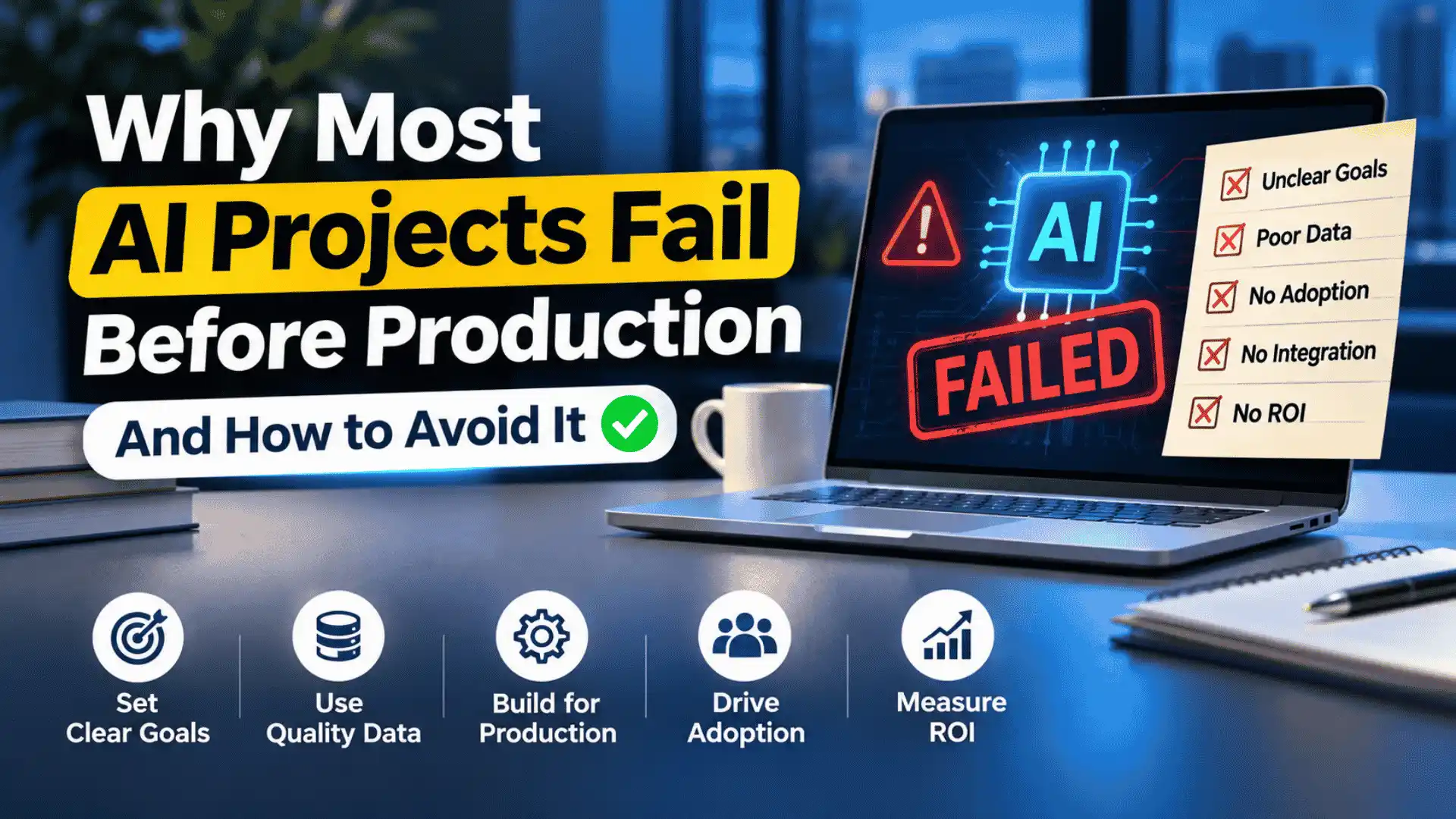
Common reasons include unclear objectives, poor data quality, lack of executive alignment, low employee adoption, and focusing on technology instead of business outcomes.
Can AI ROI be measured before deployment?
Yes. Organizations should establish baseline metrics and define KPIs before implementation so improvements can be measured accurately after launch.